


Structural Boundaries: Safety, Terms & Governance
Applying dense rope architecture and deep physical tension inherently impacts the Vessel’s natural systems. As line work meets resistance along the body’s hull, natural physical responses may occur—including temporary nerve compression or tingling, restricted circulation, shallow respiration, joint strain, or localized skin reactions like friction marks, petechiae, and minor surface bruising. In the hours following a sitting, blood pressure shifts, lightheadedness, nausea, or deep somatic fatigue may arise as your tissues recover from the pressure and re-oxygenate.
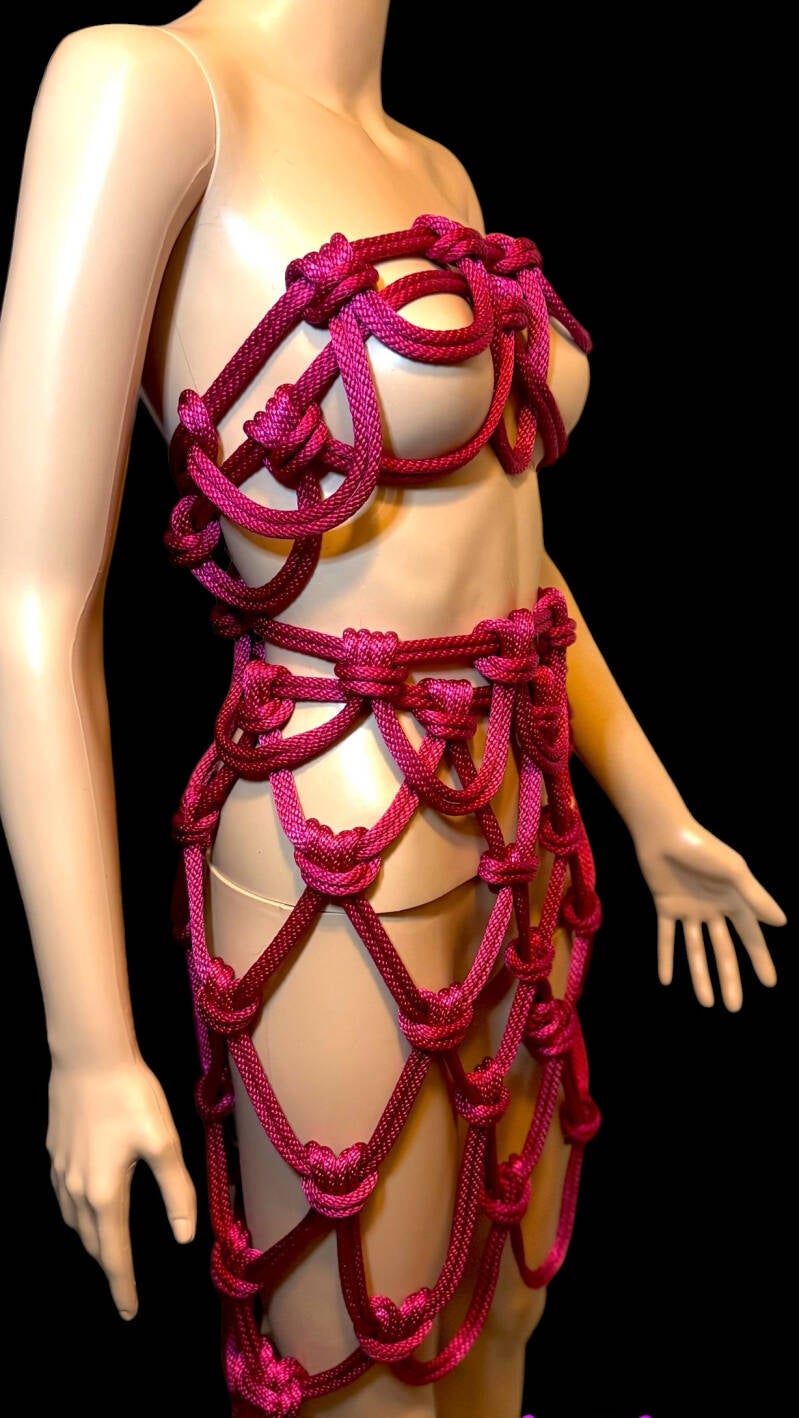
ANCHOR & ALIGN LLC — TERMS OF SERVICE & PRACTICE AGREEMENT
1. Nature of Practice & Non-Medical Disclaimer
Anchor & Align LLC provides somatic nervous system recalibration, subtle energy work (Reiki), and structural rope architecture. Terrance Boggess is a Somatic Architect – CTISLC. Services rendered are strictly non-medical, non-psychiatric, and do not constitute licensed psychotherapy, physical therapy, or medical treatment. Clients retain full responsibility for their own physiological, psychological, and emotional well-being.
2. The Gold & Shadow Mandate (Strictly Professional & Non-Sexual)
All public sessions, event offerings, and private containers operated by Anchor & Align LLC are governed by a strictly clinical, trauma-informed, non-sexual protocol. There is zero tolerance for inappropriate behavior, sexual advances, or boundary violations of any kind. Any breach of this mandate will result in the immediate termination of the session without refund and a permanent ban from all future Anchor & Align LLC offerings and spaces.
3. Somatic Architecture & Physical Acknowledgement
Somatic rope architecture applies dynamic physical tension, pressure, and structural scaffolding to the human vessel using natural fibers. Clients acknowledge that this work may result in temporary skin indentation, redness, minor bruising, or delayed-onset muscle soreness, as well as profound emotional release. Clients agree to maintain active communication throughout the session and utilize established safety and boundary signals at all times.
4. Product Sales (Hand-Conditioned Jute Hanks)
All hand-conditioned natural fiber hanks are inspected prior to sale or delivery. Due to the intimate and tactile nature of somatic tools and personal equipment, all product sales are final upon delivery or issuance at live events.
5. Cancellations & Financial Policy
- Hand-Conditioned Hanks ($35): Final sale upon purchase or fulfillment.
-
Private Containers ($300–$420): A non-refundable deposit ($100) is required at the time of booking to secure your date and build your custom container. Rescheduling requires a minimum of 48 hours' notice. Cancellations made with less than 48 hours' notice forfeit the booking deposit in full.
6. Client Sovereignty & Consent
Participation in any Anchor & Align LLC offering is entirely voluntary from moment to moment. The client maintains complete sovereignty over their vessel, breath, and boundaries, consent, and holds the absolute right to pause, adjust, or completely halt the session at any time.
Beyond the physical surface, unraveling deep structural bracing often activates the vagus nerve and clears stored tension, which can unlock emotional floodgates, somatic tremors, or temporary nervous system overload.
To honor the integrity of this work, all sittings, event offerings, and private containers are strictly non-medical and governed by the Gold & Shadow Mandate—a non-sexual, trauma-informed framework. There is zero tolerance for boundary violations or inappropriate behavior; any breach results in immediate termination of the session without refund and a permanent ban from all Anchor & Align LLC spaces.
Financial & Container Terms:
-
Hand-Conditioned Jute Hanks ($35): Final sale upon delivery.
-
Private Containers ($300–$420): A non-refundable $100 deposit is required to build your custom container. Rescheduling requires a minimum of 48 hours' notice; cancellations within 48 hours forfeit the deposit in full.
Stepping into the rope is a collaborative, application-only practice governed by strict safety protocols, continuous communication, and immediate tension adjustment. The client maintains absolute sovereignty over their Vessel at all times. Additional, unforeseen risks exist, and physical or somatic responses are not strictly limited to those listed here—ensuring your physical boundaries remain the priority as your Vessel integration takes place.
Your Risks...
-
Peripheral Nerve Compression: Sustained or misplaced rope pressure over shallow pathways (such as the brachial, radial, or peroneal nerves) can compress nerve bundles, leading to temporary or prolonged paresthesia ("pins and needles"), localized numbness, or loss of motor control.
-
Vascular Restriction: Circumferential tension around the limbs or torso restricts venous return and arterial blood flow, potentially causing extremity coldness, swelling (edema), rapid tissue fatigue, or sudden blood pressure drops.
-
Tissue Ischemia: Prolonged hold times under dense pressure can temporarily starve localized tissue of oxygen, causing deep ache, muscle cramping, or delayed tissue recovery.
-
Cutaneous Abrasion and Friction Burns: Natural fibers moving against bare or lightly covered skin under weight can cause rope burns, surface chafing, or friction blisters.
-
Petechiae and Subcutaneous Bruising: Heavy, sustained pressure holds—especially along high-resistance areas like the hips, thighs, and back—can rupture tiny surface capillaries, leaving localized petechiae or deep tissue bruising.
-
Restricted Respiration: Dense chest and torso wrapping (as used in upper-body line work) can restrict the expansion of the ribcage and diaphragm, leading to shallow breathing, hyperventilation, or panic if not carefully monitored.
-
Orthostatic Hypotension and Dizziness: Releasing heavy tension or transitioning a client too quickly from floor-based holds to standing can cause sudden blood pressure shifts, lightheadedness, or fainting (syncope).
-
Vagus Nerve Stimulation and Nausea: Deep somatic release around the neck, chest, or abdomen can stimulate the vagus nerve, triggering sudden nausea, cold sweats, or a drop in heart rate.
-
Joint Hyper-Extension and Strain: Placing load or pull on a limb without proper anatomical support can strain tendons, ligaments, or joint capsules, particularly in clients with hypermobility.
-
Triggering Stored Physical Trauma: Releasing deep fascia holding patterns can suddenly unlock physical somatic memories, triggering physical shivering, uncontrollable shaking, or muscular spasms as the body discharges stress.
-
Emotional Flooding and Vulnerability: Releasing physical bracing can open emotional floodgates, resulting in sudden crying, intense vulnerability, panic reactions, or psychological disorientation during or after the sitting.
-
Nervous System Overload: Excessive tactile, energetic, or physical input can over-stimulate an already exhausted nervous system, leading to temporary post-session disorientation, deep brain fog, or extreme fatigue.
-
Post-Session Somatic Rebound: The body's physiological response after leaving the Sanctuary can include delayed muscle soreness, flu-like physical fatigue, emotional sensitivity, or altered sleep patterns over the following 24 to 48 hours.
-
Positional Asphyxiation Risk: Misplacement of line work near the throat or neck structure—or allowing a client's head to drop unsupported while tied—carries a critical risk of airway compromise.
-
Contact Dermatitis: Natural fiber treatments (such as specific oils, waxes, or detergents used to condition jute or hemp) can trigger localized allergic reactions, hives, or skin inflammation on sensitive skin.